Low Vision Aids & Devices across California
Low vision refers to a significant visual impairment that can’t be corrected with standard glasses, contact lenses, surgery, or medication. It can result from:
- Macular degeneration
- Diabetic retinopathy
- Glaucoma
- Retinitis pigmentosa
- Eye injury or trauma
- Age-related visual decline
This type of vision loss can make daily tasks very frustrating. Activities like reading, driving, cooking, or recognizing faces can become unsafe. Fortunately, our low vision eye doctor, Dr. Richard Shuldiner, offers a wide range of low vision aids and glasses to help you regain your independence and increase your quality of life.
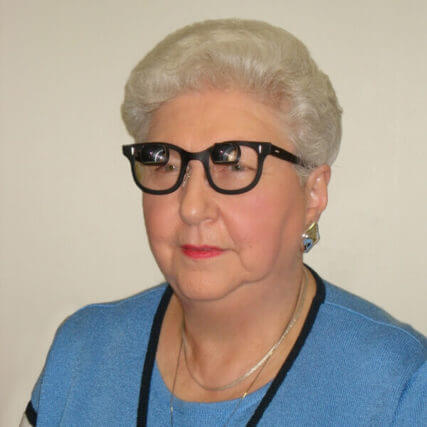

What Are Low Vision Aids?
Low vision aids can help you visually navigate the day-to-day challenges posed by eye conditions and injuries. The success of these devices is well-documented.
With the help of these innovative vision aids, magnifiers, glasses, devices, and other technologies, our low vision eye doctors can help patients of all ages overcome the challenges of low vision.
Why Low Vision Aids Make a Difference
Many patients are amazed at how effective low vision aids can be. These are more than just tools — they are life-changing solutions tailored to your individual needs. If you want to return to a favorite hobby, keep your independence, or boost your confidence at work, there is a device that can help.
Low vision aids:
- Work with the vision you still have
- Are tailored to your goals and lifestyle
- Help restore function, clarity, and confidence
For example, strong magnification can help you read food labels or small print in newspapers. People with severe vision loss may also benefit from technology that turns text into audio.
The Low Vision Aids We Offer
Our low vision aids fall into three main categories: optical, non-optical, and electronic. Each is designed for specific tasks, and many patients benefit from a combination.
Here are just some of the devices we offer:
1. Optical Aids
- Hand-held and stand magnifiers
- Full-diameter telescopes
- Prismatic reading glasses
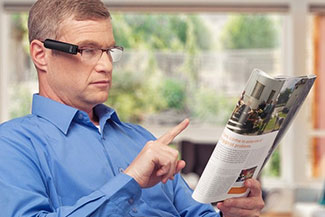
- Bioptic telescopic glasses
- Tele-microscope glasses
2. Non-Optical Aids
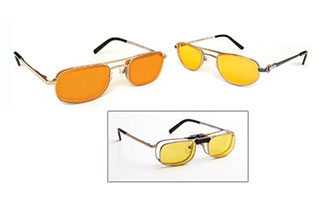
- Absorptive lenses (for light sensitivity)
- E-scoop glasses (for contrast and clarity)
- Side-vision awareness glasses
3. Electronic Aids & Assistive Tech
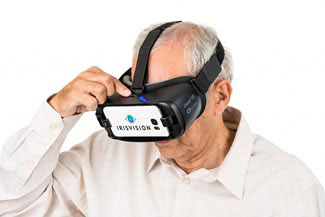
- Video/digital magnifiers (CCTV)
- Computer software for screen enlargement or text-to-speech
- Portable reading devices
What to Expect at Your Low Vision Consultation
During your initial consultation, our doctor will:
- Understand your vision, challenges, and goals.
- Conduct a 60–90-minute low vision evaluation.
- Test various devices to see what works for you in real-time.
You will leave knowing exactly how to use your new devices and how they fit into your everyday life. We customize every recommendation to fit your vision, lifestyle, and personal preferences.
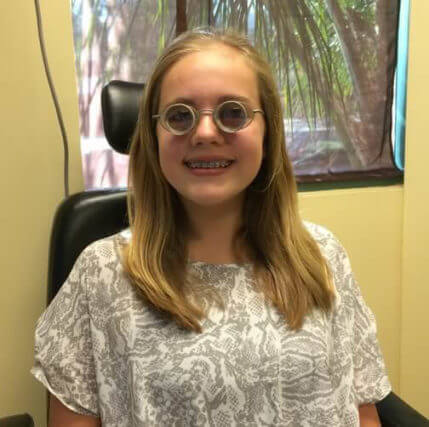
Take the First Step Toward Better Vision with Low Vision Optometry of Southern California
If you are struggling with vision loss and looking for real answers, we are here to help. At Low Vision Optometry of Southern California, we are passionate about helping you do the things you love again — reading, working, crafting, cooking, traveling, and more.
Book your appointment to take the first step towards greater independence.